
An online renewable energy degree is a university-level programme, usually a bachelor’s or master’s, that you complete mostly or entirely through…
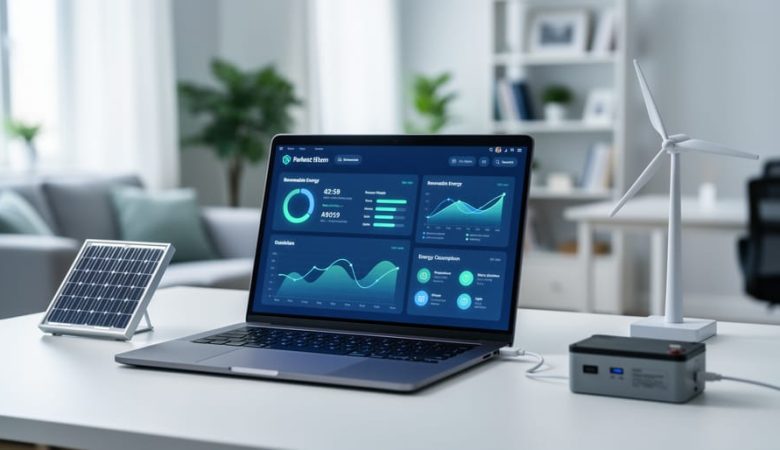
An online renewable energy degree is a university-level programme, usually a bachelor’s or master’s, that you complete mostly or entirely through…
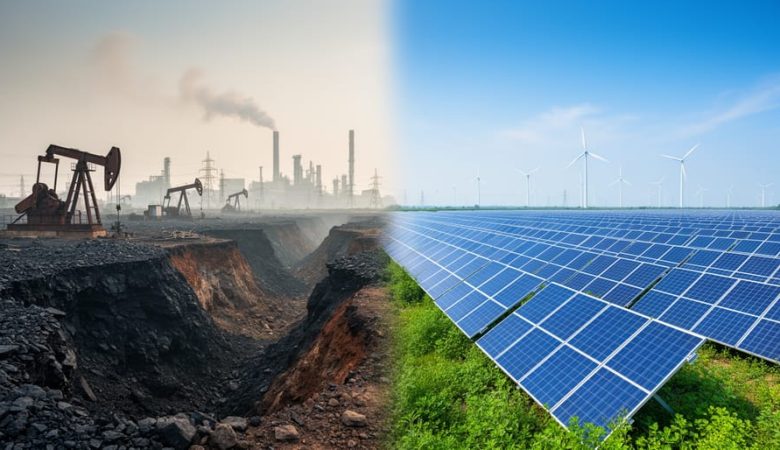
Renewable resources regenerate naturally within human timescales and can be used indefinitely without depletion, while nonrenewable resources exist in finite quantities and cannot be replenished once consumed. The distinction between these two categories fundamentally shapes how Europe approaches energy security, climate targets, and economic planning in 2026.
Understanding the three main types of nonrenewable resources (fossil fuels, nuclear materials, and certain minerals) alongside the three primary renewable categories (solar, wind, and hydro) is essential for anyone working in energy transition or sustainability. This knowledge…

Wind turbine technician training in 2026 typically costs between €1,400 and €11,600 (approximately $1,500 to $12,600 USD), depending on program depth and delivery format. Short certificate courses average around €1,600 ($1,750 USD), while comprehensive academy programs preparing you for immediate tower work run closer to €11,600 ($12,600 USD) including application fees and specialized simulation software.
The price spread reflects fundamentally different training models. Online certificate programs lasting three to eight months emphasize theoretical foundations, turbine systems, and electrical diagnostics through virtual …

Responsible gaming principles from Berlin’s regulated casino sector offer renewable energy professionals a surprisingly useful framework for risk assessment and boundary-setting in high-stakes project decisions. Sites like moonbet.co operate under Germany’s stringent 2021 Interstate Treaty on Gambling, which mandates deposit limits, session timeouts, and transparent probability disclosure. These consumer protection mechanisms mirror the decision architecture that successful energy developers use when evaluating technology risk, managing capital deployment, and setting project scope boundaries…

Becoming a wind energy technician requires completing a specialized training programme that typically takes between six months and two years, combining classroom instruction in electrical and mechanical systems with hands-on experience working on turbine installations. These programmes, available through vocational colleges, technical institutes, and industry partnerships across Europe, prepare you to maintain and repair the turbines that generate clean electricity from a resource that wind never runs out of.
The …

Renewable and Sustainable Energy Reviews stands as one of the field’s most respected publication venues for comprehensive review articles and critical analyses of renewable energy technologies, policy frameworks, and sustainability practices. Published by Elsevier, the journal provides researchers and academics with a platform to synthesize existing knowledge, identify research gaps, and propose future directions across all renewable energy domains.
The journal’s scope spans solar, wind, bioenergy, geothermal, hydropower, ocean energy, and cross-…

Costco’s solar firefly lights currently retail for $13.99 to $14.99 in the United States, making them one of the most competitively priced decorative solar lighting options available through warehouse retail channels in 2026. These ambient LED string lights, which simulate the flickering glow of fireflies through their solar-powered illumination, represent an accessible entry point into consumer solar technology for both North American and European households evaluating renewable energy applications at the residential scale.
The pricing structure reflects the economics of mass-market solar products: lower-capacity photovoltaic…

Europe’s solar energy sector will install over 70 GW of new capacity in 2026, creating thousands of job openings for trained professionals. Choosing the right solar training programme determines whether you enter the market with employer-recognised credentials and practical skills or waste time and money on outdated certifications that don’t match industry needs.
The best training combines hands-on installation practice, grid integration fundamentals, and recognised European qualifications like City & Guilds or IHK certificates. For career changers, a 12-week intensive course covering photovoltaic system design and …

Wind energy earns its renewable classification because the atmosphere continuously replenishes the resource through solar heating and Earth’s rotation, making it fundamentally different from finite fossil fuels that deplete with extraction. When sunlight warms the planet’s surface unevenly, it creates pressure differences that generate wind, a cycle that has operated for billions of years and will continue as long as the sun shines. This natural regeneration happens on timescales measured in hours and days, not the millions of years required to form coal or oil deposits.
The distinction matters for Europe’s energy …

Renewable energy comes from natural sources that never run out, like sunshine, wind, and flowing water. Unlike coal or oil that disappear once we burn them, these energy sources refill themselves naturally and can power our homes, schools, and cities without polluting the air we breathe.
Think of it this way: when you leave a toy outside in the sun, it gets warm. Solar panels work similarly, capturing that warmth and light to create electricity. Wind turbines are like giant pinwheels that spin when the breeze blows, generating power for thousands of homes. Hydroelectric dams use the force of rivers and waterfalls, much like a …