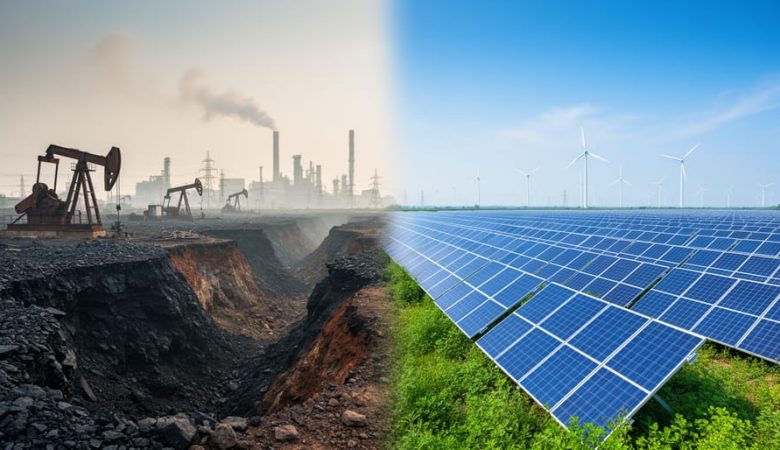
Renewable resources regenerate naturally within human timescales and can be used indefinitely without depletion, while nonrenewable resources exist in finite quantities and cannot be replenished once consumed. The distinction between these two categories fundamentally shapes how Europe approaches energy security, climate targets, and economic planning in 2026.
Understanding the three main types of nonrenewable resources (fossil fuels, nuclear materials, and certain minerals) alongside the three primary renewable categories (solar, wind, and hydro) is essential for anyone working in energy transition or sustainability. This knowledge…