Barbara
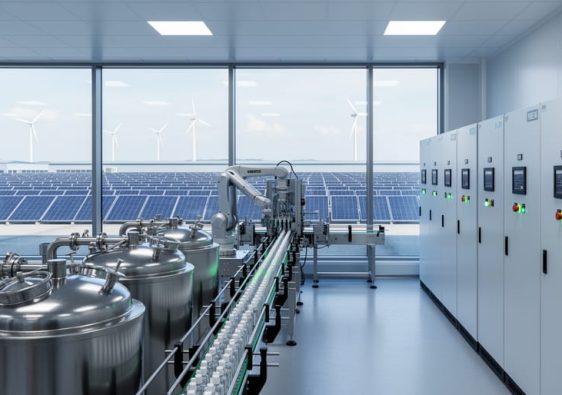
Integrate solar photovoltaic systems on facility rooftops to directly power energy-intensive THCa extraction and distillation equipment, reducing operational costs by 30-50% while eliminating Scope 2 emissions. Implement combined heat and power (CHP) systems using biogas from agricultural waste to simultaneously generate electricity and recover thermal energy for temperature-controlled manufacturing environments—a dual-benefit approach particularly effective for European facilities navigating stringent carbon reduction mandates.
The cannabis manufacturing sector faces a critical energy challenge: THCa vape cartridge production demands substantial electricity for climate control, extraction processes, and cleanroom operations, with facilities consuming 10-20 times more energy per square meter than conventional manufacturing. As European energy costs surge and sustainability regulations tighten, renewable integration has shifted from optional enhancement to operational necessity.
Deploy battery energy storage systems paired with renewable installations to stabilize power supply during peak production hours, ensuring consistent voltage for precision distillation equipment while capitalizing on time-of-use tariff advantages. Commission energy audits specifically tailored to cannabis manufacturing workflows to identify equipment optimization opportunities—studies show that targeted efficiency improvements combined with renewable deployment can achieve 65% total energy cost reduction within three years. This convergence of renewable technology and specialized manufacturing creates unprecedented opportunity for forward-thinking producers to simultaneously enhance profitability, regulatory compliance, and market positioning in Europe’s rapidly evolving cannabis industry landscape.
The Energy Challenge in THCa Vape Cartridge Manufacturing
Extraction and Processing Energy Requirements
THCa vape cartridge manufacturing demands substantial energy inputs across three primary stages. CO2 extraction, the cleanest method for isolating cannabinoids, requires continuous operation of high-pressure pumps and cooling systems, typically consuming 15-25 kWh per kilogram of extracted material. This process maintains supercritical CO2 at approximately 31°C and 74 bar pressure, necessitating precise temperature regulation that accounts for 40-50% of extraction energy use.
Temperature control represents another significant energy component throughout manufacturing. Processing facilities must maintain stable environments between 18-22°C to preserve THCa stability before decarboxylation occurs. Climate control systems, particularly in European facilities facing seasonal temperature variations, can consume 30-40% of total facility energy, with HVAC systems running continuously to prevent product degradation.
THCa crystallization, often called “diamond mining,” proves the most energy-intensive phase. This process requires controlled heating cycles between 25-40°C over several weeks, followed by precise cooling protocols. Crystallization chambers consume approximately 8-12 kWh per kilogram of final product, with extended timelines multiplying energy requirements.
Combined, these processes demand consistent, reliable power—making renewable energy integration both environmentally beneficial and economically strategic for reducing operational costs in European cannabis manufacturing facilities where electricity prices continue rising.
Climate Control and Clean Room Operations
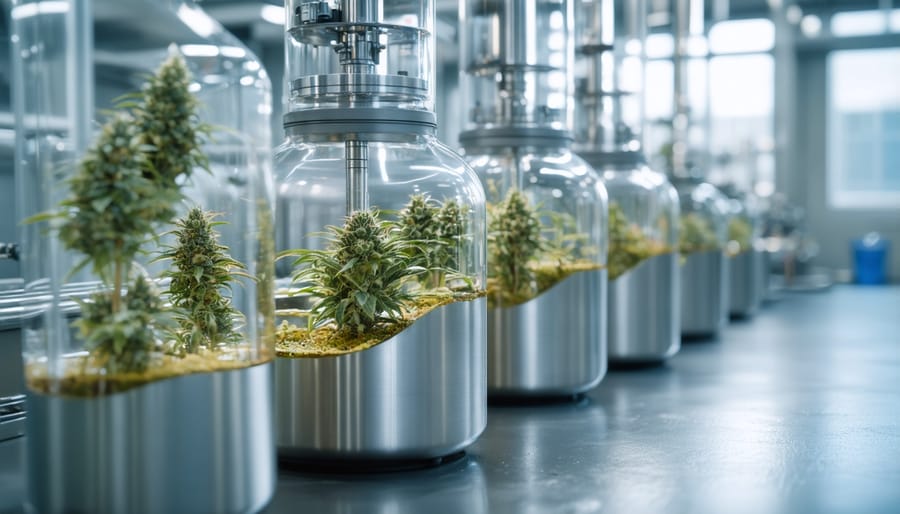
THCa vape cartridge manufacturing demands meticulously controlled environments that consume substantial electricity around the clock. Clean room facilities require specialized HVAC (heating, ventilation, and air conditioning) systems that maintain precise temperature ranges—typically between 18-22°C—to preserve product quality and prevent cannabinoid degradation. These systems operate continuously, as even minor fluctuations can compromise entire production batches.
Humidity control represents another critical energy consideration. Manufacturing environments must maintain relative humidity between 30-50% to prevent microbial growth whilst avoiding static electricity buildup that could contaminate products. Dehumidification and humidification equipment work constantly alongside HEPA filtration systems that cycle air 20-30 times hourly, removing particles and maintaining sterile conditions compliant with pharmaceutical-grade standards.
European facilities particularly benefit from renewable energy integration here, as climate control accounts for 40-60% of total manufacturing energy consumption. Solar installations can offset daytime HVAC loads, whilst battery storage systems ensure uninterrupted operation during peak tariff periods or low renewable generation hours. Modern building management systems optimise these energy flows, reducing waste without compromising the stringent environmental parameters essential for safe, high-quality THCa product manufacturing. This continuous baseload demand makes facilities ideal candidates for on-site renewable energy deployment, creating predictable returns on investment.
Renewable Energy Solutions for Cannabis Production Facilities
Photovoltaic Systems for Cannabis Facilities
Solar photovoltaic systems offer cannabis manufacturers a practical pathway to reduce operational costs while meeting sustainability objectives. These installations convert sunlight directly into electricity, perfectly suited to the continuous energy demands of THCa vape cartridge production.
**Installation Options**
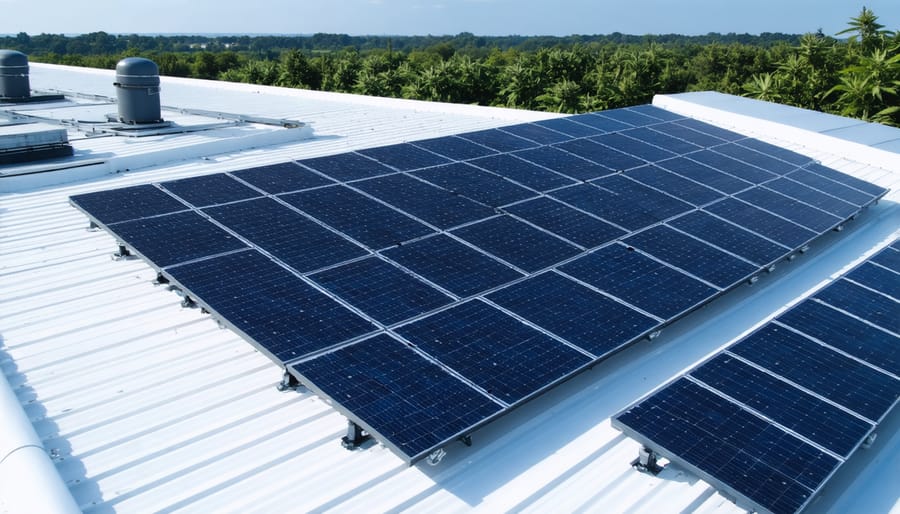
Roof-mounted systems maximise existing infrastructure, utilising warehouse or facility rooftops without requiring additional land. These installations typically range from 100 kW to several megawatts, depending on available space and structural capacity. Ground-mounted arrays provide flexibility for larger installations where land is available, allowing optimal panel orientation and easier maintenance access. Both approaches can significantly offset grid consumption during daylight hours.
**Energy Storage Integration**
Pairing solar arrays with battery storage systems addresses the inherent intermittency challenge. Lithium-ion battery banks store excess daytime generation for use during evening production shifts or peak tariff periods. This integration enables facilities to maintain consistent manufacturing schedules whilst maximising renewable energy utilisation, typically achieving 60-80% solar fraction with appropriately sized storage.
**Optimising Output**
System performance depends on several factors: panel orientation (south-facing in Europe), tilt angle (typically 30-35 degrees for optimal annual yield), and inverter sizing. Modern monitoring systems track real-time generation, identifying performance issues promptly. Seasonal variations mean summer generation often exceeds facility demand, creating opportunities for grid export revenue under feed-in tariff schemes available across many European markets. Professional energy audits help determine optimal system sizing, balancing capital investment against generation potential and consumption patterns.
Wind Energy Integration
Small-scale wind turbines and community wind projects offer viable supplementary power sources for THCa vape cartridge manufacturing facilities, particularly those located in rural European regions with favorable wind conditions. Effective wind energy integration requires careful site assessment, considering average wind speeds, local planning permissions, and grid connection capabilities.
For production facilities, vertical-axis wind turbines (VAWTs) ranging from 5-50 kW can provide consistent energy contributions without the extensive land requirements of larger installations. These systems work particularly well in northern European countries like Denmark, Ireland, and Scotland, where coastal and elevated sites benefit from steady wind resources. In Germany and the Netherlands, manufacturers increasingly participate in community wind cooperatives, purchasing shares in larger turbines to offset electricity consumption without direct on-site installation.
Economic viability improves when wind supplements solar installations, as wind generation often peaks during winter months and evening hours when solar output diminishes. Initial investment costs typically range from €3,000-€8,000 per installed kilowatt, with payback periods of 10-15 years depending on location and feed-in tariff availability. Many European nations offer specific incentives for commercial renewable installations, making wind integration increasingly attractive for energy-intensive cannabis manufacturing operations seeking sustainability credentials and cost predictability.
Combined Heat and Power with Biomass
Combined Heat and Power (CHP) systems using biomass offer THCa manufacturers a compelling dual-benefit solution: simultaneous generation of thermal energy for extraction processes and electrical power for facility operations. These systems combust organic materials—such as agricultural residues, wood chips, or hemp stalks from cultivation operations—to produce heat that drives steam turbines for electricity generation while capturing exhaust heat for manufacturing processes.
For cannabis extraction facilities, biomass CHP systems prove particularly advantageous because they address two primary energy demands: the substantial thermal requirements for solvent evaporation and winterization processes (typically 80-120°C), and the electrical load for refrigeration, climate control, and processing equipment. Modern biomass CHP installations achieve overall efficiency rates of 70-85%, significantly outperforming separate heat and power generation.
European manufacturers benefit from utilizing local agricultural waste streams, including residual hemp biomass from CBD/THCa cultivation, forestry by-products, or regional farming waste. This circular economy approach reduces feedstock transportation costs while creating an additional revenue stream for agricultural partners. A mid-scale facility processing 2-3 tonnes of biomass daily can generate approximately 500 kWh of electricity and 1,200 kWh of thermal energy.
Implementation considerations include securing consistent feedstock supply, meeting EU emission standards (typically requiring advanced filtration systems), and navigating regulatory requirements under the Renewable Energy Directive. Initial capital costs range from €350,000-€800,000 for suitable installations, with payback periods of 5-8 years depending on energy prices and available incentives.
Energy Efficiency Measures That Complement Renewables
Heat Recovery and Thermal Management
THCa extraction processes generate substantial thermal energy that typically dissipates unused. Implementing heat recovery systems transforms this waste into a valuable resource, significantly improving overall facility efficiency. Modern extraction equipment operates at elevated temperatures, creating opportunities to capture and redirect thermal output for secondary applications.
Heat exchangers represent the primary technology for thermal recovery, transferring warmth from extraction machinery to water or glycol-based circulation systems. This captured energy can then support various facility operations: space heating during colder months, maintaining optimal temperatures in cultivation areas, or preheating water for cleaning and sanitation protocols. European facilities have demonstrated 20-30% reductions in auxiliary heating requirements through strategic heat recovery implementation.
Integration with solar thermal energy systems creates particularly effective synergies. Solar collectors provide consistent daytime heating, whilst recovered process heat supplements evening and overnight demands. Thermal storage tanks buffer both sources, ensuring steady availability regardless of production schedules.
Advanced thermal management requires proper insulation of extraction equipment and distribution pipelines to minimize losses. Temperature sensors and automated control systems optimize heat distribution based on real-time facility needs. While initial installation costs range from €15,000-€40,000 depending on facility size, payback periods typically span 2-4 years through reduced natural gas or electrical heating expenses. This approach exemplifies circular economy principles—converting operational byproducts into productive inputs whilst simultaneously reducing carbon footprint.
LED Lighting and Smart Controls
Energy-efficient LED lighting represents one of the most straightforward renewable energy investments for THCa cartridge manufacturing facilities. Modern LED systems consume up to 75% less electricity than traditional lighting whilst generating minimal heat—a crucial advantage in temperature-sensitive production environments where THCa preservation requires precise climate control.
Smart lighting controls amplify these savings through automated occupancy sensors and daylight harvesting systems. These technologies detect when production areas are unoccupied and adjust illumination accordingly, whilst photosensors reduce artificial lighting intensity when natural daylight provides sufficient illumination. For European facilities operating under stringent energy efficiency regulations, such systems often qualify for implementation incentives.
Production schedule integration takes efficiency further by programming lighting levels to match manufacturing intensity. During cleaning cycles or maintenance periods, lighting automatically dims to minimum safe levels. High-output zones activate only when production equipment operates, creating direct correlation between illumination and actual operational needs.
Advanced systems incorporate colour-tunable LEDs that support both production requirements and quality control processes. Specific wavelengths enhance visual inspection of cartridge filling precision and product clarity, whilst energy monitoring dashboards provide real-time consumption data.
Implementation costs typically range from €50-150 per square metre for comprehensive systems, with payback periods of 2-4 years. European manufacturers should prioritize EN 12464-1 compliant systems ensuring workplace lighting standards whilst maximizing energy reduction. When combined with renewable electricity sources like solar panels, LED smart controls eliminate lighting-related carbon emissions entirely whilst reducing operational expenditure by 60-80% compared to conventional systems.
Economic Analysis: Investment and Return Timelines
Capital Costs and Financing Options
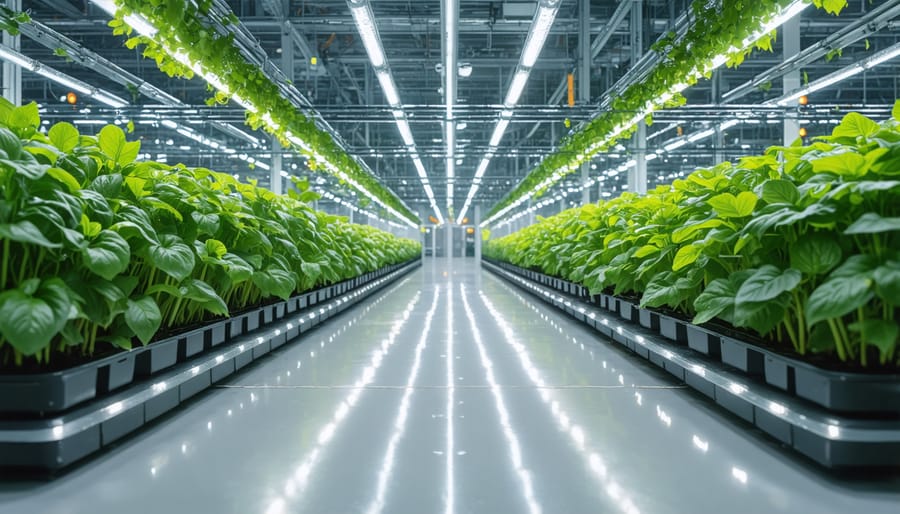
Investing in renewable energy for THCa cartridge manufacturing requires understanding both upfront costs and available financing pathways. For small to medium cannabis operations in Europe, a typical 50-100 kW solar installation ranges from €50,000 to €120,000, while a 30 kW wind turbine costs approximately €85,000 to €140,000 including installation. Battery storage systems add €400-800 per kWh of capacity, though prices continue declining.
Several financing mechanisms make these investments accessible without large capital outlays. Green loans from institutions like the European Investment Bank offer preferential interest rates (typically 1-3% below market rates) for renewable energy projects. Power Purchase Agreements (PPAs) allow facilities to purchase renewable electricity without owning the equipment, eliminating upfront costs while securing predictable energy prices for 10-25 years.
Many European nations provide specific incentives: Germany’s KfW development bank offers renewable energy loans with grace periods, while France’s ADEME grants can cover up to 40% of installation costs for energy efficiency projects. Leasing arrangements enable businesses to spread costs over equipment lifespans, converting capital expenditure into operational expenses.
Energy-as-a-Service models are emerging, where third-party providers install and maintain systems in exchange for monthly fees, making renewable energy immediately accessible regardless of available capital.
Operational Savings and Revenue Streams
Transitioning to renewable energy delivers substantial financial benefits for THCa cartridge manufacturers through multiple revenue channels. Energy cost reductions typically represent the most immediate savings, with solar PV systems reducing electricity expenses by 40-70% depending on installation size and local electricity rates. For a medium-sized facility consuming 150 MWh annually, this translates to savings of €12,000-18,000 per year in many European markets.
Feed-in tariffs (FiTs) and net metering programmes offer additional income streams. Several European countries, including Germany, Spain, and Italy, provide guaranteed payment rates for excess renewable electricity fed back into the grid. While FiT rates have decreased from peak levels, facilities can still earn €0.03-0.08 per kWh exported, generating €2,000-5,000 annually for typical installations.
Carbon credit opportunities present another revenue avenue, particularly as voluntary carbon markets mature. Manufacturing facilities generating verified emission reductions can monetise carbon credits at €15-30 per tonne CO₂ equivalent. A renewable energy system offsetting 100 tonnes annually could yield €1,500-3,000 in carbon credit sales.
Combined, these three mechanisms often achieve payback periods of 6-10 years for renewable installations, with systems continuing to generate value for 20-25 years beyond initial investment recovery.
Regulatory Landscape and Sustainability Certifications
EU Energy Directives and Cannabis Production
European cannabis manufacturers producing THCa vape cartridges face increasingly stringent renewable energy requirements under EU legislation. The Renewable Energy Directive (RED III) sets binding renewable energy targets that indirectly affect energy-intensive cannabis production facilities through national implementation measures. Member states must achieve at least 42.5% renewable energy in their overall mix by 2030, creating pressure on industrial energy consumers to transition away from fossil fuels.
The Corporate Sustainability Reporting Directive (CSRD) particularly impacts larger THCa manufacturers. Companies meeting size thresholds must disclose detailed energy consumption data, greenhouse gas emissions, and renewable energy adoption strategies beginning in 2024-2025. This transparency requirement extends throughout supply chains, meaning smaller producers supplying larger brands may face indirect reporting obligations.
Additionally, the Energy Efficiency Directive mandates annual energy consumption reductions for industrial facilities. Cannabis manufacturers can achieve compliance through renewable energy integration, making solar installations or wind power agreements strategically valuable beyond cost savings. Facilities implementing renewable systems not only reduce operational expenses but also demonstrate regulatory compliance, enhancing market positioning within Europe’s sustainability-focused business environment. Understanding these directives enables THCa producers to proactively align operations with regulatory expectations while capturing competitive advantages in an increasingly eco-conscious marketplace.
Green Certifications as Market Differentiators
Green certifications serve as powerful market differentiators in the competitive THCa vape cartridge sector, demonstrating measurable commitment to sustainability. ISO 50001, the international standard for energy management systems, provides a structured framework for manufacturers to systematically reduce energy consumption and costs. Achieving this certification signals to distributors and consumers that your facility operates with verified energy efficiency practices, independently audited and continuously improved.
The EU Ecolabel, recognizing products with reduced environmental impact throughout their lifecycle, offers particular value in European markets where eco-conscious consumers actively seek certified sustainable products. For cannabis manufacturers utilizing renewable energy, this label validates claims of environmental responsibility with third-party verification, building trust in increasingly skeptical markets.
Industry-specific certifications, such as the Sustainable Cannabis Coalition’s standards or regional cannabis sustainability programs, address sector-unique challenges including solvent recovery and waste management. These credentials complement energy certifications, creating comprehensive sustainability profiles that resonate with premium retailers and environmentally aware consumers willing to pay premium prices. Manufacturers report that certified facilities achieve 15-25% higher wholesale prices and preferential shelf placement, transforming environmental investments into tangible competitive advantages while contributing meaningfully to climate goals.
Case Studies: European Cannabis Manufacturers Leading the Transition
Several European cannabis manufacturers have demonstrated the viability and benefits of transitioning to renewable energy for THCa vape cartridge production, providing valuable benchmarks for the industry.
A prominent facility in the Netherlands integrated a 500 kW solar photovoltaic array combined with ground-source heat pumps in 2022. This operation produces approximately 45,000 THCa cartridges monthly and achieved a 68% reduction in grid electricity consumption within the first year. The solar installation generates roughly 450 MWh annually, while the heat pumps provide both temperature control for extraction processes and climate regulation for storage areas. Initial investment totaled €620,000, with the facility projecting full payback within 6.5 years based on current energy savings of approximately €95,000 annually. Particularly noteworthy is their battery storage system (250 kWh capacity), which ensures uninterrupted power during critical extraction phases.
In Portugal’s Algarve region, a mid-scale manufacturer implemented a hybrid renewable system combining solar thermal collectors with biomass heating. This facility specializes in CO₂ extraction for THCa production and previously spent €180,000 annually on energy. Following the renewable integration in early 2023, energy costs dropped by 59% within nine months. The solar thermal system preheats water for extraction processes, while locally-sourced agricultural waste biomass provides consistent heating. This approach proved especially effective given the region’s abundant sunshine and available biomass resources. The manufacturer reports improved production consistency due to more stable temperature control.
A German producer near Hamburg took a different approach, installing three 50-meter wind turbines in 2021. Their facility produces both THCa concentrates and finished cartridges, with annual production exceeding 600,000 units. The wind installation generates approximately 1.2 GWh yearly, covering 82% of facility requirements. Excess generation is sold back to the grid, creating an additional revenue stream of €35,000 annually. While initial costs were substantial (€1.8 million), government incentives covered 40% of expenses, and the facility achieved carbon-neutral operations certification within eighteen months.
These examples demonstrate that renewable energy integration is technically feasible across different production scales and geographic contexts, with quantifiable financial and environmental returns that strengthen business resilience.
Implementation Roadmap for Manufacturers
Energy Audit and Baseline Assessment
Conducting a comprehensive energy audit forms the essential first step towards renewable energy integration in THCa vape cartridge manufacturing. Begin by cataloguing all energy-consuming equipment, including extraction systems, HVAC units, decarboxylation ovens, and filling machinery. Install temporary monitoring devices to track consumption patterns across production cycles, ideally over 4-6 weeks to capture operational variations.
Focus particular attention on thermal processes—decarboxylation and distillation—which typically account for 40-60% of total facility consumption in European cannabis manufacturing operations. Document baseline metrics including kilowatt-hours per production batch, peak demand periods, and power factor measurements. These figures establish your reference point for measuring improvement.
Prioritise efficiency measures using a tiered approach: address low-cost operational changes first (optimised scheduling, equipment maintenance), followed by medium-investment upgrades (LED lighting, variable frequency drives), and finally major infrastructure modifications (insulation improvements, process heat recovery systems). This methodology ensures immediate energy reductions whilst planning longer-term renewable installations.
Engage qualified energy auditors familiar with both pharmaceutical-grade manufacturing requirements and European energy standards to ensure compliance and identify sector-specific opportunities. Document findings comprehensively—this baseline assessment becomes crucial when applying for renewable energy incentives or demonstrating sustainability credentials to stakeholders.
System Design and Partner Selection
Selecting appropriate renewable energy technologies for THCa cartridge manufacturing requires careful evaluation of several factors. Begin by assessing your facility’s energy consumption patterns—THCa extraction and cartridge filling typically demand consistent baseload power, making solar-plus-storage or combined systems ideal candidates. Calculate your available installation space, including rooftop area and nearby land parcels, to determine capacity potential.
When choosing system integrators, prioritize those with experience in industrial applications and relevant certifications such as MCS (Microgeneration Certification Scheme) in the UK or equivalent European standards. Request detailed case studies from manufacturing environments with similar energy profiles. Qualified installers should conduct comprehensive site assessments, including structural load calculations for rooftop solar and grid connection capacity analysis.
Integration planning is crucial for minimizing production disruption. Modern inverters and battery management systems can seamlessly connect with existing electrical infrastructure while maintaining power quality standards essential for sensitive extraction equipment. Consider implementing energy management software to optimize renewable energy utilization during peak production hours. Many system integrators now offer specialized training programs for facility staff, ensuring smooth operation and maintenance of renewable installations throughout their 25-30 year lifespan.
Monitoring and Optimization
Implementing effective monitoring systems ensures renewable energy installations maintain peak performance throughout their operational lifetime. Smart meters and IoT-enabled sensors track real-time energy generation, consumption patterns, and system efficiency metrics. Many European manufacturers utilize SCADA (Supervisory Control and Data Acquisition) systems to identify anomalies before they escalate into costly failures.
Regular maintenance schedules prove essential for solar panels, wind turbines, and battery storage systems. Quarterly inspections should include solar panel cleaning, electrical connection checks, and inverter performance verification. Temperature monitoring helps detect hotspots indicating potential equipment issues.
Data analytics platforms enable continuous improvement by comparing actual performance against baseline projections. Most systems achieve 15-25% efficiency gains through optimization within the first year. Establishing key performance indicators (KPIs) such as energy cost per cartridge produced, renewable energy percentage, and carbon reduction metrics provides actionable insights for operational refinements and supports sustainability reporting requirements increasingly expected across European markets.
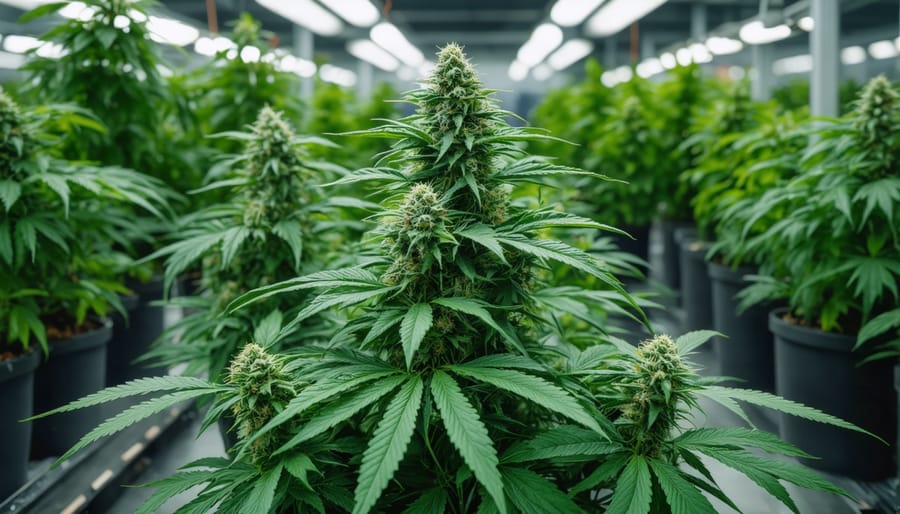
The transition to renewable energy represents a defining opportunity for THCa vape cartridge manufacturers to achieve simultaneously improved environmental performance, reduced operational costs, and enhanced market positioning. As demonstrated throughout this analysis, European facilities adopting solar, wind, and biogas solutions can reduce energy expenses by 30-50% while significantly lowering carbon footprints—a combination that directly addresses both regulatory pressures and consumer expectations for sustainable cannabis products.
The economic case has strengthened considerably, with solar PV installation costs declining by over 80% in the past decade and feed-in tariffs across numerous European markets providing favorable returns on investment. For THCa manufacturers operating energy-intensive extraction and distillation processes, these renewable solutions offer predictable, long-term cost structures that insulate businesses from volatile fossil fuel markets.
Looking forward, the convergence of stricter EU sustainability regulations, advancing battery storage technology, and growing institutional investment in green manufacturing infrastructure will accelerate industry transformation. Early adopters position themselves advantageously, accessing preferential financing, premium market segments, and competitive differentiation that late movers cannot easily replicate.
The pathway begins with comprehensive energy audits to identify consumption patterns, followed by feasibility assessments tailored to your facility’s specific conditions. Whether implementing rooftop solar as an initial step or pursuing comprehensive renewable integration with storage systems, the time to act is now. Engage with renewable energy consultants, explore available subsidies, and join the growing community of cannabis manufacturers leading Europe’s sustainable production revolution.