Barbara
Securing financing for renewable energy projects has traditionally involved months of negotiations, extensive paperwork, and uncertainty about whether your proposal meets lender criteria. Artificial intelligence is now transforming this landscape, connecting project developers with suitable financing partners in days rather than months, and offering transparency that rivals instant loan funding platforms in consumer finance.
AI-powered loan matching platforms analyze your project specifications—from solar farm capacity and wind turbine efficiency to energy storage integration and grid connection details—against databases of specialized lenders actively seeking renewable investments. These systems assess technical feasibility, financial viability, regulatory compliance, and risk profiles simultaneously, presenting you with ranked financing options tailored to your specific project parameters.
For European renewable energy developers, this technology addresses critical market challenges. The EU’s ambitious climate targets have created unprecedented demand for project financing, yet traditional banking relationships struggle to scale efficiently. AI matching platforms bridge this gap by evaluating projects against European regulatory frameworks, including taxonomy compliance, sustainability reporting requirements, and national subsidy schemes, while connecting developers with both institutional investors and specialized green finance providers.
The practical impact is substantial: reduced time-to-funding, improved match quality between project characteristics and lender preferences, and increased transparency throughout the financing process. System integrators benefit from understanding which project configurations attract optimal financing terms, while sustainability professionals gain insights into how financial markets value different renewable technologies.
This technology represents more than efficiency gains—it’s democratizing access to capital for smaller developers and accelerating Europe’s energy transition by removing financing bottlenecks that have historically delayed project deployment.
The Financing Bottleneck in Renewable Energy Development
Why Traditional Loan Matching Falls Short
Traditional financing approaches for renewable energy projects across Europe continue to struggle with fundamental inefficiencies that slow down the energy transition. The manual nature of these processes creates significant bottlenecks—project developers often spend months compiling documentation, reaching out to potential lenders individually, and navigating complex negotiations without certainty of success.
One critical challenge is limited lender visibility. Many European banks and financial institutions specializing in green finance remain difficult for developers to identify and access. Regional banks with appetite for solar installations in southern Spain, for instance, may never connect with suitable projects in their geographical area simply because no systematic discovery mechanism exists.
Mismatched compatibility represents another substantial problem. A community wind project requiring patient capital with flexible repayment terms might approach institutions focused on large-scale infrastructure with rigid financing structures. This mismatch wastes valuable time and resources on both sides, as neither party discovers the incompatibility until deep into discussions.
Transaction costs further compound these issues. Legal fees, due diligence expenses, and administrative overhead can consume 3-7% of total project costs in traditional financing arrangements. For smaller renewable installations—precisely those needed to democratize energy production—these costs often render projects economically unviable.
These systemic inefficiencies don’t just delay individual projects; they collectively slow Europe’s progress toward its 2030 renewable energy targets, creating an urgent need for more intelligent, efficient financing solutions.
The European Context for Green Finance
Europe stands at the forefront of renewable energy financing, driven by the ambitious EU Green Deal targeting climate neutrality by 2050. This commitment has catalyzed unprecedented investment flows, with the European Commission mobilizing at least €1 trillion over the next decade for sustainable projects.
The regulatory landscape has evolved significantly through frameworks like the Sustainable Finance Disclosure Regulation (SFDR) and EU Taxonomy, which provide clear classification systems for environmentally sustainable economic activities. These regulations create transparency for investors while establishing standardized criteria that AI loan matching platforms can leverage to connect projects with appropriate funding sources.
European renewable developers benefit from diverse financing mechanisms, including InvestEU, the Innovation Fund, and national development banks across member states. Regional programs like the European Investment Bank’s climate initiatives specifically target clean energy infrastructure, offering favorable terms that traditional commercial lending often cannot match.
This structured ecosystem makes Europe particularly well-suited for AI-driven loan matching. The standardized reporting requirements and clear sustainability definitions enable algorithms to efficiently assess project eligibility and match developers with suitable lenders, accelerating the renewable energy transition while reducing administrative complexity for all stakeholders involved.
What AI-Powered Loan Matching Actually Means
The Technology Behind the Match
At their core, AI loan matching platforms employ sophisticated machine learning algorithms that function like highly specialized matchmakers for renewable energy financing. These systems analyze vast datasets—processing information about lenders’ investment criteria, risk appetites, preferred project types, and historical funding patterns alongside detailed project characteristics such as technology type, capacity, location, and financial projections.
The matching process relies on natural language processing to extract meaningful insights from project proposals and loan documentation, identifying key parameters that traditional manual review might overlook. Pattern recognition algorithms then compare these parameters against historical successful transactions, calculating compatibility scores between projects and potential funders.
Most European platforms utilize ensemble learning methods, combining multiple algorithmic approaches to improve accuracy. For instance, decision tree models might assess project viability while neural networks evaluate market conditions and lender behavior patterns simultaneously. This multi-layered analysis considers factors including regional renewable energy targets, grid connection availability, and regulatory frameworks specific to EU member states.
The technology continuously learns from outcomes, refining its matching criteria as more transactions complete. When a solar installation in Spain successfully secures financing, the system incorporates those success factors into future recommendations for similar projects. This adaptive learning means platforms become more effective over time, identifying non-obvious financing opportunities that human analysts might miss while significantly reducing the time from application to funding decision—often from months to mere weeks.
From Application to Approval: The AI Journey
The journey begins when a project developer submits their renewable energy project details through an AI-powered platform. This initial application typically requires information about project specifications, location, technology type, expected capacity, and preliminary financial projections. Rather than waiting weeks for manual review, the AI system immediately processes this information.
Within the first stage, machine learning algorithms assess the project’s technical viability by comparing it against thousands of successful renewable installations across Europe. The system evaluates factors such as solar irradiance data for photovoltaic projects, wind patterns for turbines, or biomass availability for biogas facilities. This analysis considers regional regulatory frameworks, grid connection possibilities, and local market conditions.
Next, the AI matches the project’s financial profile with its database of lenders. The algorithm identifies financing institutions whose criteria align with the project’s characteristics—whether that’s a 500kW rooftop solar installation in Spain or a 50MW offshore wind farm in the North Sea. The system considers loan amounts, interest rate expectations, repayment terms, and each lender’s sector preferences.
The platform then generates a compatibility score for potential matches, ranking lenders by likelihood of approval. Project developers receive a shortlist of suitable financing partners, often within 48 hours, complete with preliminary terms and next steps. This transparent process eliminates much of the uncertainty traditionally associated with renewable project financing, allowing developers to focus their efforts on the most promising opportunities whilst understanding exactly why certain matches were recommended.
Practical Benefits for Renewable Project Developers
Speed and Efficiency Gains
AI-powered loan matching dramatically accelerates financing timelines for renewable projects across Europe. Traditional financing processes typically require 6-12 months from initial application to fund disbursement, involving extensive documentation, multiple lender negotiations, and repeated credit assessments. AI systems compress this timeline to 2-6 weeks by simultaneously evaluating dozens of potential lenders and matching project specifications with financing criteria.
Consider a 50 MW solar farm in southern Spain: developers using conventional methods spent approximately 400 hours on financing activities, including preparing applications for eight different lenders. With AI matching, a similar project in Portugal required just 80 hours, as the system pre-qualified suitable lenders and automatically formatted documentation according to each institution’s requirements.
Wind projects demonstrate equally impressive gains. A Danish offshore wind developer reduced their financing search from nine months to five weeks, allowing them to secure favourable terms during a brief period of low interest rates. The AI platform analysed 45 potential financing sources, identifying three optimal matches based on project size, technology type, and risk profile—eliminating countless unproductive conversations with unsuitable lenders.
Improved Match Quality and Success Rates
AI-powered loan matching significantly improves financing success rates by analyzing both project characteristics and lender requirements simultaneously. Traditional approaches often result in mismatched applications—solar developers approaching wind-specialized financiers, or early-stage projects seeking construction-only loans. These misalignments waste valuable time and can damage relationships with potential funders.
Machine learning algorithms evaluate hundreds of parameters including project size, technology type, development stage, location, and expected returns. They then cross-reference these against lender portfolios, risk appetites, and historical approval patterns. For instance, a 5 MW rooftop solar installation in Germany would be matched with banks actively financing distributed generation projects rather than utility-scale investors.
European project developers using AI matching platforms report 40-60% higher application success rates compared to manual approaches. The technology identifies subtle compatibility factors that human brokers might overlook, such as a lender’s preference for specific inverter manufacturers or their experience with particular grid connection procedures in different member states.
This precision reduces rejection rates, accelerates approval timelines, and helps developers secure financing terms that genuinely align with their project economics—ultimately making renewable energy deployment more efficient across Europe.
Access to Diverse Funding Sources
AI-powered loan matching platforms dramatically expand the financing landscape for renewable energy projects by connecting developers with a diverse array of capital sources across Europe and beyond. Traditional bank lending represents just one avenue; these intelligent systems simultaneously access European green bonds, impact investors with environmental mandates, specialized renewable energy funds, and multilateral development institutions.
The technology bridges geographical boundaries, enabling a Spanish solar developer to connect with Norwegian pension funds or German institutional investors focused on sustainable infrastructure. AI algorithms match project characteristics—such as technology type, scale, and risk profile—with specific lender preferences and mandates. For instance, a community wind project might be paired with impact investors prioritizing social benefits, while large-scale solar farms connect with infrastructure funds seeking steady returns.
These platforms also tap into emerging financing mechanisms like the European Investment Bank’s climate finance programs and national green investment banks. By aggregating opportunities from public and private sources, AI matching services significantly increase the probability of securing favorable terms. This access proves particularly valuable for small-to-medium enterprises and community energy cooperatives that traditionally struggle to reach institutional investors. The result: faster capital deployment and more competitive financing rates across diverse renewable technologies.
Key Features to Look for in AI Loan Matching Platforms
Renewable Energy Specialization
Not all AI loan matching platforms are created equal when it comes to renewable energy financing. Platforms with specialized renewable energy expertise deliver significantly better results because they understand the unique technical and financial characteristics of different technologies—whether solar photovoltaic arrays, wind turbines, or biogas installations.
Generic lending platforms often struggle to properly evaluate renewable projects because they lack sector-specific knowledge. A platform with renewable specialization understands crucial factors like technology maturity levels, capacity factors, feed-in tariff structures across European markets, and the specific risk profiles associated with each technology type. This expertise enables more accurate project assessments and better lender matching.
Energy sector knowledge also means understanding regulatory frameworks that vary considerably across European countries. A specialized platform recognizes how Italy’s incentive structures differ from Germany’s or Spain’s, and can connect projects with lenders familiar with specific regional markets.
Furthermore, platforms with renewable expertise maintain relationships with lenders who actively seek clean energy investments, rather than treating them as niche opportunities. This targeted network dramatically improves matching quality, reduces time-to-funding, and often results in more favorable loan terms for project developers.
Data Security and Transparency
When entrusting sensitive project data to AI loan matching platforms, renewable energy developers rightly expect robust security measures and clear transparency standards. Understanding what protections are in place becomes essential before sharing proprietary information about your solar park designs, wind farm specifications, or biomass facility economics.
Leading AI platforms should employ end-to-end encryption for all data transmissions and storage, ensuring your technical specifications, financial projections, and commercial arrangements remain confidential. Look for platforms adhering to European data protection standards, particularly GDPR compliance, which provides legal safeguards for how your information is processed and shared. Many reputable platforms implement role-based access controls, meaning lenders only view anonymised project summaries until you explicitly grant detailed access.
Transparency features distinguish professional platforms from basic databases. You should expect clear explanations of how the AI algorithms evaluate your project—which parameters carry the most weight, why certain lenders were matched, and what success probability calculations mean. Some platforms provide “explainable AI” dashboards showing exactly how your project scored across different criteria, from technical feasibility to market conditions.
Additionally, seek platforms offering data ownership guarantees, ensuring you retain full rights to your project information and can request complete deletion. Quality platforms will transparently disclose which third parties access data, whether for credit assessments or market research, and provide opt-out mechanisms. Before engaging any platform, request their security certification documentation and understand their data retention policies—essential due diligence for protecting your competitive advantages whilst accessing better financing opportunities.
Real-World Applications Across Renewable Technologies
Solar and Photovoltaic Projects
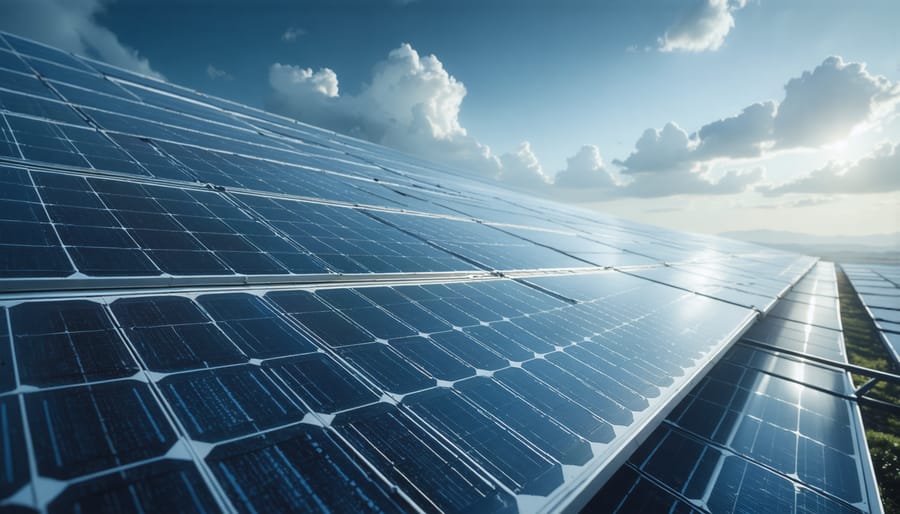
AI loan matching platforms are revolutionizing financing for photovoltaic installations across all scales. For residential rooftop systems (typically 3-10 kW), algorithms quickly match homeowners with consumer-focused lenders offering favorable terms based on household energy consumption and property valuations. Commercial installations (50-500 kW) benefit from AI’s ability to assess business creditworthiness alongside project-specific metrics like estimated energy yield and local feed-in tariff structures. At utility-scale (multi-MW), platforms analyze complex project finance requirements, matching developers with institutional investors while evaluating grid connection agreements and power purchase contracts. The technology considers European-specific factors including national renewable incentives, EPC contractor track records, and regional solar irradiation data. This tailored approach significantly reduces financing timelines—from months to weeks—while improving approval rates by 30-40% through better lender-project alignment.
Wind Energy Developments
AI-powered loan matching platforms excel at addressing the distinct financial requirements of wind energy developments, whether onshore or offshore installations. These systems analyze project-specific variables including turbine capacity, grid connection infrastructure, and location-based wind resource data to identify suitable financing partners. For offshore projects, which typically require €2-4 million per megawatt installed, AI algorithms can match developers with lenders experienced in marine construction risks and extended payback periods. The technology considers European-specific factors such as seabed lease arrangements, maritime regulations, and grid integration costs. Onshore wind projects benefit from AI’s ability to quickly assess land acquisition complexities, community benefit schemes, and regional planning constraints. By processing historical performance data from similar installations across Europe, these platforms significantly reduce the time developers spend seeking appropriate capital, accelerating deployment timelines for both project types.
Emerging Technologies
AI loan matching is expanding beyond traditional solar and wind projects to serve emerging renewable technologies that face unique financing challenges. Energy storage systems, particularly battery installations, benefit from AI algorithms that assess revenue stacking potential from multiple income streams—grid services, peak shaving, and renewable integration. European lenders increasingly recognise storage as bankable infrastructure, and AI platforms can match projects with financiers experienced in these complex business models.
Green hydrogen projects present distinctive financing requirements due to their capital intensity and evolving regulatory frameworks. AI systems analyse production methods, off-take agreements, and regional hydrogen strategies across Europe to connect developers with specialised investors. The technology evaluates technical parameters like electrolyser efficiency alongside market fundamentals.
Hybrid renewable systems combining solar, wind, and storage require sophisticated financial modelling. AI platforms assess how different technology combinations affect project risk profiles and match them with lenders who understand these integrated approaches. This capability proves particularly valuable as Europe advances towards fully decarbonised energy systems, where hybrid projects deliver grid stability whilst maximising renewable generation.
Limitations and Considerations
While AI loan matching platforms offer significant advantages for renewable energy financing, it’s important to maintain realistic expectations about their current capabilities. These systems work most effectively with well-documented projects that fit conventional financing parameters. Early-stage or highly innovative renewable technologies may still require traditional relationship-based approaches, as AI algorithms typically rely on historical data and established risk models.
Data quality remains a critical consideration. AI matching platforms perform optimally when projects provide comprehensive, accurate information about technical specifications, financial projections, and regulatory compliance. Incomplete or inconsistent data can lead to suboptimal matches or missed opportunities. European project developers should ensure their documentation meets both platform requirements and regional reporting standards, particularly regarding sustainability metrics and environmental impact assessments.
The platforms also reflect inherent biases present in their training data. If historical lending has favoured certain project types, geographies, or scales, the AI may inadvertently perpetuate these patterns. Smaller community solar projects or offshore wind developments in emerging European markets might face challenges compared to established onshore installations in mature markets. Responsible platform operators continuously work to address these biases, but users should remain aware of potential limitations.
Furthermore, AI matching doesn’t eliminate the need for human expertise. While algorithms excel at initial screening and pattern recognition, complex negotiations, relationship building, and nuanced risk assessment still benefit from experienced financial professionals. The most effective approach combines AI efficiency with human judgement, particularly for large-scale infrastructure projects exceeding €10 million.
Despite these considerations, the technology continues evolving rapidly, with improvements in natural language processing, alternative data integration, and fairness algorithms expanding capabilities and accessibility across Europe’s diverse renewable energy landscape.
Getting Started: Practical Steps for Project Developers
For renewable energy professionals ready to leverage AI loan matching platforms, preparation is key to maximizing success rates and efficiency.
**Assess Your Project Readiness**
Begin by evaluating your project’s maturity level. AI platforms typically require baseline information including technical specifications, financial projections, and environmental impact assessments. Projects at the advanced development stage with completed feasibility studies yield better matching results. Ensure you have clear answers regarding technology type, capacity, location, expected returns, and timeline before engaging with platforms.
**Gather Essential Documentation**
Prepare a comprehensive documentation package. Most AI loan matching systems require business plans, technical designs, permitting status updates, grid connection agreements, and power purchase agreements (where applicable). Financial documents should include projected cash flows, IRR calculations, and sensitivity analyses. Having these materials in standardized, digital formats—preferably PDFs or spreadsheets—streamlines the matching process considerably.
**Understand Your Financing Needs**
Clearly define your capital requirements, including equity-to-debt ratios, repayment terms, and acceptable interest rate ranges. Consider both senior debt and mezzanine financing options. The more precisely you articulate your financing structure, the more accurately AI algorithms can identify suitable lenders.
**Integrate with Existing Workflows**
AI loan matching shouldn’t disrupt your development process. Many platforms offer API integrations with project management software, allowing seamless data transfer. Schedule regular touchpoints—weekly or bi-weekly—to review matching suggestions and lender feedback. Assign a team member as the primary platform liaison to maintain consistency.
**Start with Pilot Projects**
Consider testing AI loan matching on one or two projects initially. This allows your team to understand platform capabilities, refine documentation practices, and build confidence before scaling across your entire portfolio. Track metrics like time-to-financing and response rates to measure effectiveness against traditional financing approaches.
AI loan matching has emerged as a practical and powerful tool for accelerating renewable energy deployment across Europe and beyond. By streamlining the complex process of connecting projects with appropriate financing sources, this technology addresses one of the most significant barriers to clean energy expansion—the financing gap that often delays or derails promising initiatives.
The transformation is already underway. Project developers who once spent months navigating fragmented financing landscapes can now identify suitable lenders in days or weeks. Financial institutions benefit from more efficient deal flow and better risk assessment capabilities. Most importantly, this efficiency translates directly into faster project deployment, helping Europe progress toward its ambitious 2030 and 2050 climate targets.
Looking ahead, AI loan matching platforms will continue evolving. We can expect increasingly sophisticated algorithms that better understand regional market dynamics, improved integration with project management systems, and enhanced capability to match innovative financing structures with emerging renewable technologies like green hydrogen and advanced energy storage. Machine learning models will become more accurate as they process larger datasets, further reducing matching times and improving success rates.
For professionals in the renewable energy sector, embracing AI loan matching represents a strategic advantage. Whether you’re developing a small-scale solar installation or a major offshore wind farm, these platforms offer tangible benefits: reduced administrative burden, broader access to capital, and faster project realization. As the technology matures and adoption grows, AI loan matching will become an indispensable component of Europe’s renewable energy infrastructure, helping translate sustainability goals into operational reality.